

In November, plant garlic and spring bulbs in Zones 5–7 while the soil is unfrozen, and spinach, lettuce, short-day onions, and cabbage-family transplants in Zones 8–10. In Zones 3–4, the outdoor planting season is over.
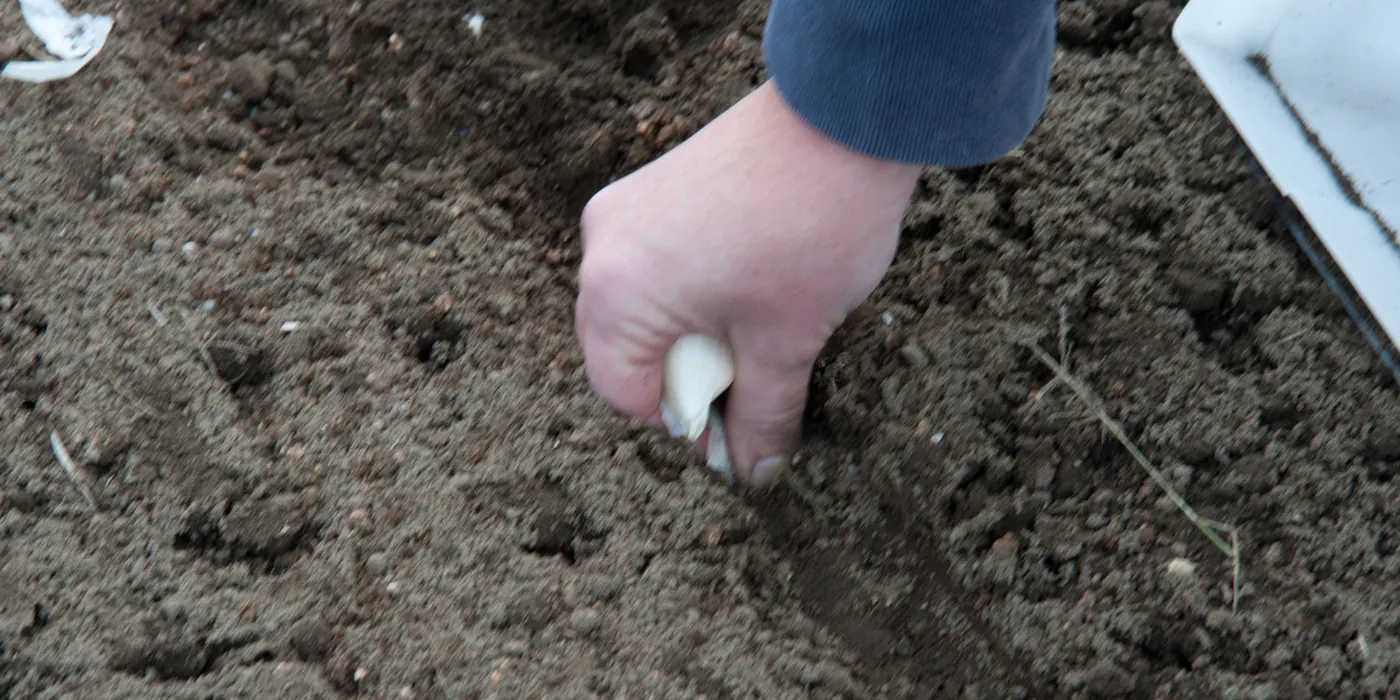
By November, the first fall frost has passed in Zones 3–7, and Zones 9–10 start their main cool-season planting. The list for your garden depends on that frost date: in 7 of 10 years, the first frost comes after the date shown for your ZIP code. November plantings across the United States include garlic, onions, kale, spinach, lettuce, peas, tulips, daffodils, pansies, hardy herbs, and cover crops such as cereal rye. Enter a ZIP code below to see your planting zone, your first frost date, and the November dates for garlic and tulip bulbs.
What to Plant in November by USDA Zone?
The table lists, for USDA planting zones 3 to 10, the typical first frost date from NOAA 1991–2020 weather-station records, what goes in the ground in November, and what is too late now. Garlic and tulip end dates are the zone medians from the When to Plant Garlic and When to Plant Tulip Bulbs pages.
| Planting zone | First frost date (typical) | Plant in November | Too late now |
|---|---|---|---|
| Zone 3–4 | Zone 3: Sep 20; Zone 4: Sep 26 | Dormant lawn seed and native wildflower seed (soil below 40°F); spring bulbs in Zone 4 while the soil can be dug | Garlic (ended Oct 20 / Oct 25), vegetables, cover crops, trees |
| Zone 5 | Oct 5 (Sep 25–Oct 14) | Garlic (until Nov 1), spring bulbs (until Nov 10), dormant lawn and wildflower seed | Vegetables, cereal rye, trees and shrubs |
| Zone 6 | Oct 15 (Oct 3–Oct 24) | Garlic (until Nov 10), spring bulbs (until Nov 20), cereal rye (first week), bare-root trees (first days) | Vegetables, broadleaf evergreens |
| Zone 7 | Oct 25 (Oct 14–Nov 11) | Garlic (until Nov 20), spring bulbs (until Nov 30), pansies and violas, cereal rye, deciduous trees | Vegetables from seed, onion plants, peas, strawberries |
| Zone 8 | Nov 4 (Oct 26–Nov 14) | Garlic (until Nov 30), daffodils, tulips, pansies; spinach, radishes, greens, onion and cabbage transplants in Texas, Louisiana, and North Florida | Potatoes, tomatoes, peppers, beans, squash; vegetable seed in the Carolinas and Georgia |
| Zone 9 | Nov 30 (Nov 13–Dec 17) | Lettuce, spinach, kale, carrots, beets, peas, fava beans, onions, garlic (6 in 10 ZIP codes chill cloves first), broccoli and cabbage transplants, herbs, pansies; tulips only as chilled bulbs, Dec 15–Jan 15 | Tomatoes, peppers, beans, cucumbers, squash, corn |
| Zone 10–11 | Dec 25 (Dec 10–Jan 6); none in frost-free ZIP codes | The Zone 9 list; garlic Nov 1–Dec 31 after chilling; South Florida adds tomatoes, peppers, beans, cucumbers, squash, sweet corn, potatoes | Warm-season crops outside South Florida |

What to Plant in November in Zones 3 and 4?
In Zones 3 and 4, November is too late for garlic, vegetables, cover crops, and trees, because the first frost came in late September. Dormant lawn seed and native wildflower seed are the 2 plantings that still work: lawn seed once the soil is below 40°F, which the University of Minnesota Extension times from early November to mid-March, and native wildflower seed in late November, which sprouts in spring after winter freezing and thawing (Purdue Extension). Spring bulbs bought late go in during the first half of November in Zone 4, only where the soil can still be dug. More on the zones: USDA Planting Zone 3 and USDA Planting Zone 4.
What to Plant in November in Zone 5?
In Zone 5, finish planting garlic in the first days of November (the typical window ends November 1) and plant tulips, crocus, and hyacinths until November 10; the typical daffodil window ends October 25, and daffodil bulbs still go in while the ground is unfrozen. Mulch garlic with 3–4 inches of straw or leaves once the ground freezes. Dormant lawn seed and native wildflower seed go down later in the month. Trees, shrubs, and cereal rye are too late: trees take 6 weeks of root growth before the first hard freeze (Purdue Extension), so their deadline was October. More on the zone: USDA Planting Zone 5.
What to Plant in November in Zone 6?
In Zone 6, plant garlic until November 10 and spring bulbs until November 20. Sow cereal rye in the first week of November at the latest; it sprouts in soil as cold as 34°F but makes little growth before spring. Deciduous and bare-root trees go in only in the first days of the month, and broadleaf evergreens such as rhododendrons wait for spring. All vegetables are too late outdoors. More on the zone: USDA Zone 6: Planting & Hardiness Map.
What to Plant in November in Zone 7?
In Zone 7, plant garlic through November 20 and spring bulbs through November 30, the month NC State and Clemson Extension name for tulip planting in this zone. In the Southeast and Texas, set out pansies and violas from late October through mid-November, sow cereal rye in the first half of the month, and plant deciduous trees and shrubs after their leaves drop. Vegetables from seed, onion plants and small dormant onion bulbs (sets), peas, and strawberries are too late; cover October greens with row cover instead. More on the zone: USDA Zone 7: Planting & Hardiness Map.
What to Plant in November in Zone 8?
In Zone 8, plant garlic all month (through November 30), daffodils through November 25, and tulips from October 31 to December 10; 1 in 4 Zone 8 ZIP codes chills tulip bulbs in the refrigerator first. In Texas, Louisiana, and North Florida, sow spinach, radishes, mustard, Swiss chard, and green onions in early November, and set out collards, cabbage, and broccoli transplants in the first half of the month; onion transplants go in until November 15 in Louisiana and North Florida, while Texas sows onion seed now and plants transplants in January. Plant pansies and violas from late October to mid-November, and through early December on the Gulf Coast.
- Peas: sow in November on the South Carolina coast and in Louisiana, in the first days of November in Texas, and in January in North Florida.
- Fava beans: sow in November in Texas.
- Strawberry plants (grown as annuals): by November 1 in South and Middle Georgia, by November 15 in Louisiana and North Florida.
- Carolinas and Georgia: vegetable sowing ended in October (Clemson: spinach to October 15, lettuce to November 1), and inland Zone 8a (Raleigh, Atlanta) finished its cabbage-family transplants in October.
In Zone 8 west of the Cascades (Tacoma, Olympia, Salem, Eugene), November planting is garlic, spring bulbs, and bare-root trees; winter cover crops were planted by mid-October. Potatoes, tomatoes, peppers, beans, and squash wait until late winter or spring everywhere in Zone 8. More on the zone: USDA Planting Zone 8.
What to Plant in November in Zone 9?
Zone 9 has its main cool-season planting in November: lettuce, spinach, kale, collards, Swiss chard, carrots, beets, radishes, turnips, peas, and fava beans from seed, and broccoli, cabbage, and cauliflower as transplants. Plant short-day onions (seed in Texas and Arizona; transplants in Louisiana and California; in Florida, bulbing onions go in through December north of State Road 40 and went in during October in Central Florida), garlic through November 30 (6 in 10 Zone 9 ZIP codes chill cloves in the refrigerator for 6–8 weeks first; the tool says which), and cilantro, parsley, and dill. For color, plant pansies, violas, snapdragons, calendula, and stock. Tulip bulbs go in the ground December 15–January 15 after 12–14 weeks in the refrigerator (35–45°F, away from fruit), so bulbs bought in November are planted in late January, or buy bulbs the nursery has already chilled for a mid-December planting. More on the zone: USDA Planting Zone 9.
Seattle and most of Portland are Zone 9a, but west of the Cascades November planting is garlic, spring bulbs, and bare-root trees, the same as Zone 8 there; the Zone 9 vegetable list is for the South and California. In the Phoenix area (Zone 9b suburbs; downtown Phoenix is Zone 10a), sow onion seed, peas, spinach, and lettuce all month, small dormant onion bulbs (sets) wait for December, and the University of Arizona advises delaying fall planting until whiteflies decline in cooler weather. Strawberry plants go in through November 30 in South Louisiana and in California; in Texas, October was the month, and in Central Florida the window closed October 25. In Zone 9, potatoes go in only in Central Florida (November–February).
What to Plant in November in Zones 10 and 11?
Zones 10 and 11 plant the Zone 9 list in November, with garlic as softneck cloves from November 1 to December 31 after 6–8 weeks in the refrigerator. South Florida, below State Road 70 and including the Keys, adds warm-season crops: tomatoes, peppers, eggplant, bush and pole beans, cucumbers, summer squash, sweet corn, and potatoes, plus strawberry plants until December 1. Coastal Southern California (Los Angeles, San Diego) and the Rio Grande Valley in Texas plant cool-season crops only in November; Rio Grande Valley tomatoes go in from mid-February (Texas A&M AgriLife). More on the zones: USDA Planting Zone 10 and USDA Planting Zone 11.
What Vegetables to Plant in November?
The vegetables planted in November are cool-season crops: they grow in daytime temperatures as low as 40°F, grow best between 60°F and 80°F, and survive a light frost (Colorado State University Extension), so the list grows the farther south the garden is. Garlic and onions, leafy greens, cabbage-family crops, root crops, and peas make up the November vegetable garden in Zones 8–10; Zones 5–7 plant garlic only.
- Garlic and onions: garlic cloves in Zones 5–9 until the zone’s end date in the table, and in Zones 10–11 from November 1 after 6–8 weeks in the refrigerator; short-day onions in Zones 8–10; shallots and leeks in California and Louisiana.
- Leafy greens: spinach, lettuce, kale, collards, mustard, Swiss chard, arugula, and bok choy in Zones 9–10, and in Texas, Louisiana, and North Florida in Zone 8.
- Cabbage family: broccoli, cabbage, and cauliflower transplants in Zones 9–10 and on the Gulf side of Zone 8.
- Root crops: carrots, beets, radishes, and turnips from seed in Zones 9–10, and in early November in Texas, Louisiana, and North Florida.
- Peas and fava beans: peas in Zones 9–10, on the South Carolina coast, and in Louisiana; fava beans in Zones 9–10 and Texas.
- Warm-season vegetables: tomatoes, peppers, eggplant, beans, cucumbers, squash, sweet corn, and potatoes in South Florida only.
Which November Vegetables Are Sown as Seeds and Which Are Transplants?
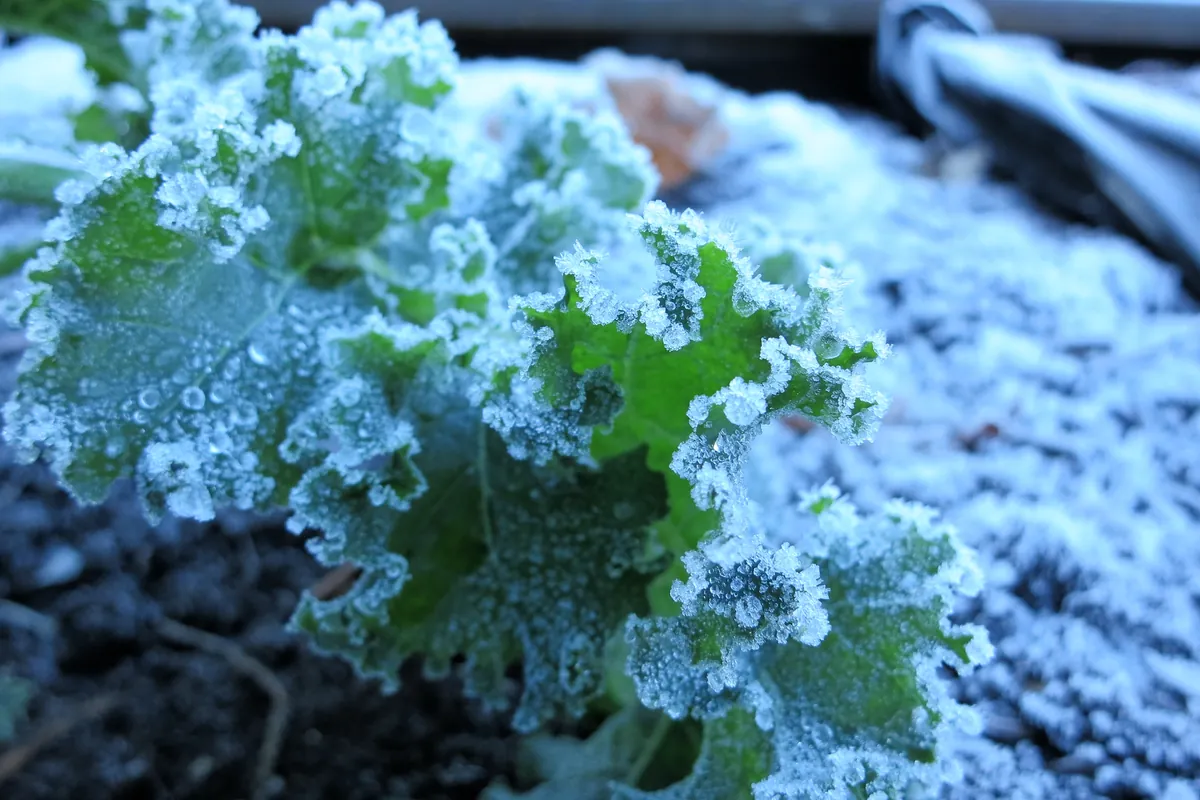
Sow spinach, lettuce, radishes, carrots, beets, turnips, mustard, peas, fava beans, and onion seed directly in the garden. Plant broccoli, cabbage, cauliflower, collards, kale, onion plants, and strawberries as transplants: a cabbage-family transplant is 5–7 weeks old when it goes in (Clemson Extension, Colorado State University Extension), growth that seed sown in November does not make before the first hard freeze. Plant garlic as single cloves and shallots as bulbs. The UF/IFAS Florida Vegetable Gardening Guide rates each vegetable’s transplant ability from class I (“easily survives transplanting”) to class III (“only plant seeds”), and root crops such as carrots and radishes are seeded directly.
What Flowers and Bulbs to Plant in November?
Spring bulbs are the main November flowers in Zones 5–8: plant tulips, daffodils, crocus, hyacinths, and alliums while the soil is unfrozen, until the zone’s end date in the table above. In Zones 9 and 10, tulip and hyacinth bulbs are planted December 15–January 15 after 12–14 weeks in the refrigerator, so November bulbs are refrigerated for a late-January planting or bought already chilled; Florida gardeners plant amaryllis, crinum, and daylilies instead. Full dates for every ZIP code are on the When to Plant Tulip Bulbs page.
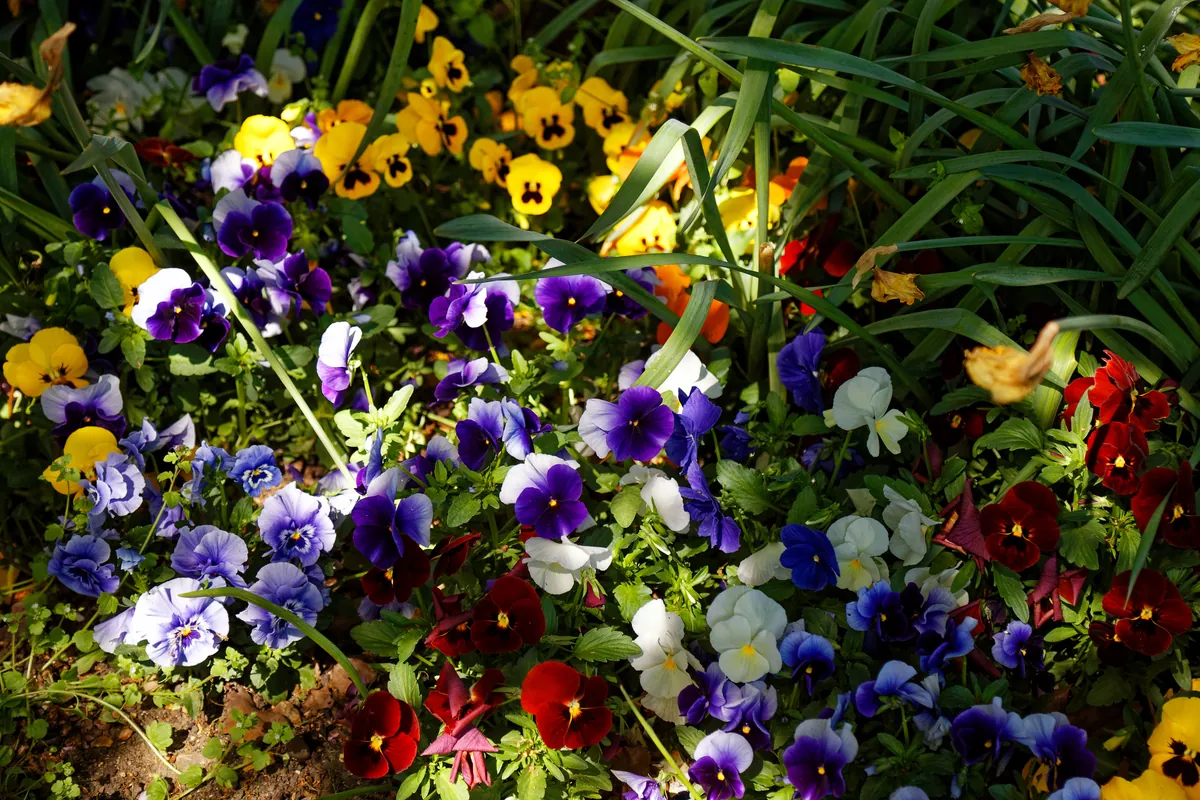
Cool-season annuals fill beds from Zone 7 south in the Southeast, Texas, and California: pansies and violas from late October through November in Zone 7, and pansies, violas, snapdragons, dianthus, calendula, stock, alyssum, and ornamental cabbage in Zones 8–10. Pansies establish in soil between 45°F and 65°F (Galveston County AgriLife), which the Gulf Coast reaches in November. In California, also sow sweet peas, California poppies, and wildflower seed for spring bloom.
What to Plant in November in Texas, Florida, California, and Georgia?
What to Plant in November in Texas?
In Central Texas (Austin, San Antonio), plant garlic, spinach, lettuce, beets, collards, mustard, radishes, Swiss chard, green onions, and fava beans in November, and sow cereal rye in empty beds; broccoli and cabbage transplants, carrots, and turnips go in during the first half of the month. Sow onion seed now and set onion transplants in January–February. On the Gulf Coast (Houston, Galveston), plant pansies through early December; strawberry plants went in during October. In the Rio Grande Valley, sow spinach and bunching onions; potatoes go in from mid-December and tomatoes from mid-February. The Panhandle (Amarillo, Zone 7a) follows the Zone 7 list. More: Texas planting zones.
What to Plant in November in Florida?
The University of Florida splits the state at State Roads 40 and 70. North Florida plants spinach, collards, radishes, carrots, beets, mustard, Swiss chard, bulbing onions, and strawberry plants in November, plus cilantro, dill, and parsley. Central Florida plants lettuce, broccoli, cabbage, kale, carrots, beets, English peas, and potatoes. South Florida plants all of these and also tomatoes, peppers, eggplant, beans, cucumbers, squash, sweet corn, and strawberries. For flowers, plant pansies and violas in North Florida; pansies, violas, snapdragons, dianthus, and alyssum in Central Florida; and impatiens, petunias, and salvia in South Florida. More: Florida planting zones.
What to Plant in November in California?
On the South Coast (Los Angeles, San Diego), sow or transplant fava beans, beets, broccoli, cabbage, chard, cilantro, garlic, kale, leeks, lettuce, mustard, onions, parsley, peas, radishes, shallots, and spinach, and plant strawberries, sweet peas, snapdragons, stock, and wildflower seed. In the Central Valley (Sacramento), plant garlic cloves, onion transplants, shallots, fava beans, peas, spinach, and broccoli and cabbage transplants. Coastal gardens keep planting through December; inland gardens finish by late November. More: California planting zones.
What to Plant in November in Georgia?
Georgia’s fall vegetable sowing ends in October, and South Georgia sows spinach, radishes, mustard, and turnips in the first half of November, 2 weeks later than the rest of the state. Plant strawberry plants by November 1 in South and Middle Georgia, garlic until November 20 in North Georgia (Zone 7) and November 30 from Atlanta south (Zone 8), and spring bulbs and pansies all month. Test the soil and spread lime now if the test calls for it: the University of Georgia notes that lime applied in November or December benefits next year’s garden more than lime applied in spring. More: Georgia planting zones.
Is It Too Late to Plant in November?
For warm-season vegetables, yes: tomatoes, peppers, beans, cucumbers, squash, and corn are too late everywhere except South Florida. For garlic, it is too late in Zones 3–4; the window ends November 1 in Zone 5, November 10 in Zone 6, November 20 in Zone 7, and November 30 in Zones 8–9. For spring bulbs, Zone 4 has the first half of November where the soil can be dug, Zone 5 to November 10, Zone 6 to November 20, and Zones 7–8 the whole month. Where planting is over, use November for 3 jobs:
- Mulch garlic with 3–4 inches of straw or shredded leaves after the ground freezes.
- Cover bare soil with cereal rye in Zones 6–9 (first week of November in Zone 6), or with a layer of leaves or straw in Zones 3–5.
- Test the soil and spread lime now: lime applied in November or December works on next year’s garden more than lime applied in spring (University of Georgia).
What to plant in November comes down to your first frost date and USDA zone, and the ZIP code tool at the top of this page shows both. For dates crop by crop, see When to Plant: Planting Dates by ZIP Code, frost dates by ZIP code, and how we calculate planting dates.