

Plant tulip bulbs in fall, between mid-September (Zone 3) and early December (Zone 8), once the soil has cooled below 60°F and before the ground freezes. Zones 3–8 plant 1 week before to 5 weeks after the first fall frost.
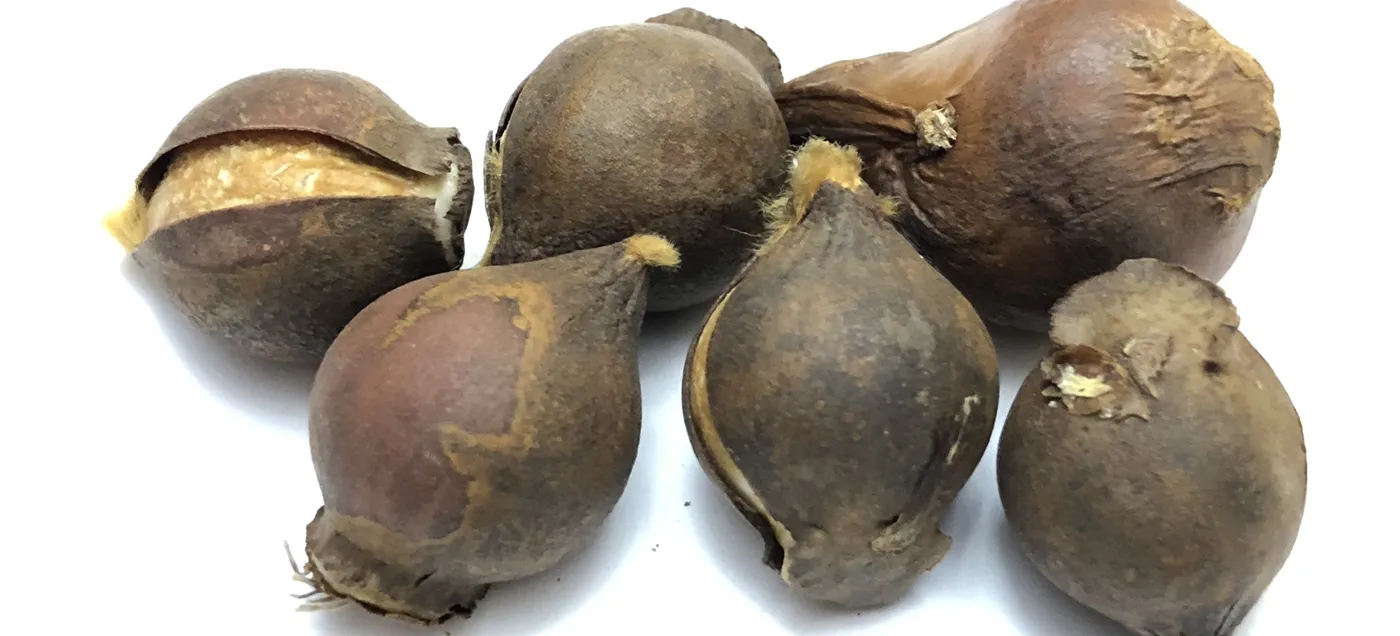
Gardeners in Zones 9 and 10, including San Antonio, Houston, Jacksonville, Phoenix, Los Angeles, and Miami, chill tulip bulbs in the refrigerator for 12–14 weeks and plant them from December 15 to January 15 as annuals. The best time to plant tulip bulbs is set by the first frost date; the USDA planting zone, also called a hardiness zone or growing zone, shows which of the 2 routes applies. When do you plant tulip bulbs in your own garden? Enter a ZIP code below to see the tulip planting dates for the nearest NOAA weather station.
When to Plant Tulip Bulbs by USDA Zone?
Tulip bulb planting windows run from September 15–October 25 in Zone 3 to December 15–January 15 in Zones 9–10, where bulbs spend 12–14 weeks in the refrigerator first. The table lists the typical first frost date, the planting window, and the chilling route for USDA planting zones 3 to 10, from NOAA 1991–2020 weather-station data for every ZIP code in each zone.
| Planting zone | Plant tulip bulbs | First frost date (typical) | Chill bulbs first? |
|---|---|---|---|
| Zone 3 | Sep 15–Oct 25 | Sep 20 (Sep 2–Sep 26) | No |
| Zone 4 | Sep 20–Oct 31 | Sep 26 (Sep 18–Oct 3) | No |
| Zone 5 | Sep 25–Nov 10 | Oct 5 (Sep 25–Oct 14) | No |
| Zone 6 | Oct 10–Nov 20 | Oct 15 (Oct 3–Oct 24) | No |
| Zone 7 | Oct 20–Nov 30 | Oct 25 (Oct 14–Nov 11) | No |
| Zone 8 | Oct 31–Dec 10 | Nov 4 (Oct 26–Nov 14) | No in 76% of ZIP codes; 6–10 weeks in 21%; 12–14 weeks in 4% |
| Zone 9 | Dec 15–Jan 15 (chill first) | Nov 30 (Nov 13–Dec 17) | Yes: 12–14 weeks in 76% of ZIP codes; 6–10 weeks in 15%; no in 9% |
| Zone 10 | Dec 15–Jan 15 (chill first) | Dec 25 (Dec 10–Jan 6); none in frost-free ZIP codes | Yes: 12–14 weeks in 98% of ZIP codes |
Dates in the same zone differ because USDA zones measure winter lows, not frost timing, and because Zone 8b splits in 2: the Pacific Northwest and the inland South plant without chilling, while the Gulf Coast and the Southeast chill bulbs first. The ZIP code tool above gives the exact window and the route.

When to Plant Tulip Bulbs in Zone 3?
In Zone 3, plant tulip bulbs from September 15 to October 25. The first fall frost date is Sep 20 (Sep 2–Sep 26), so bulbs go in 1 week before the frost and root for 5 weeks before the ground freezes. 3% of Zone 3 ZIP codes, at mountain stations with frost in every month, plant in September only. More on the zone: USDA Planting Zone 3 with Map.
When to Plant Tulip Bulbs in Zone 4?
In Zone 4, plant tulip bulbs from September 20 to October 31. The first fall frost date is Sep 26 (Sep 18–Oct 3). Cover the bed with 3 inches of mulch after the ground freezes, as Colorado State University Extension advises for cold winters. More on the zone: USDA Planting Zone 4 with Map.
When to Plant Tulip Bulbs in Zone 5?
In Zone 5, plant tulip bulbs from September 25 to November 10. The first fall frost date is Oct 5 (Sep 25–Oct 14). Minneapolis, Madison, and Des Moines plant from late September through October, the month Iowa State University Extension calls ideal for tulips. More on the zone: USDA Planting Zone 5 with Map.
When to Plant Tulip Bulbs in Zone 6?
In Zone 6, plant tulip bulbs from October 10 to November 20. The first fall frost date is Oct 15 (Oct 3–Oct 24). Chicago, Denver, Columbus, Detroit, and Boston all fall in this zone, with windows from late September (Denver) to early December (Cleveland). More on the zone: USDA Zone 6: Planting & Hardiness Map.
When to Plant Tulip Bulbs in Zone 7?
In Zone 7, plant tulip bulbs from October 20 to November 30. The first fall frost date is Oct 25 (Oct 14–Nov 11). Every Zone 7 ZIP code plants without chilling: the Zone 7 cities in the table below have 115–160 nights a year below 40°F, more than the 12–16 weeks of cold tulips require. More on the zone: USDA Zone 7: Planting & Hardiness Map.
When to Plant Tulip Bulbs in Zone 8?
In Zone 8, plant tulip bulbs from October 31 to December 10. The first fall frost date is Nov 4 (Oct 26–Nov 14), so the window follows the calendar caps of November 1 and December 15 rather than the frost date alone. 76% of Zone 8 ZIP codes, including Charlotte, Raleigh, El Paso, and Birmingham, plant without chilling; 21%, in the Gulf states and the Southeast, chill bulbs in the refrigerator for 6–10 weeks first. More on the zone: USDA zone 8 Map with its 25 states.
When to Plant Tulip Bulbs in Zone 9?
In Zone 9, chill tulip bulbs in the refrigerator for 12–14 weeks and plant them from December 15 to January 15. 76% of Zone 9 ZIP codes, including Houston, Sacramento, Jacksonville, and Tampa, have fewer than 70 nights a year below 40°F, too few for tulip bulbs to bloom without chilling. 9% of Zone 9 ZIP codes, such as Seattle, have cold enough winters to plant from November 1 to December 15 with no chilling. More on the zone: USDA Planting Zone 9 with Map.
When to Plant Tulip Bulbs in Zone 10?
In Zone 10, chill tulip bulbs in the refrigerator for 12–14 weeks and plant them from December 15 to January 15. 98% of Zone 10 ZIP codes chill bulbs first: Los Angeles has 2 nights a year below 40°F and Miami has 3, so the refrigerator supplies all of the cold. Zone 11 follows the same dates. More on the zones: USDA Zone 10 with Map and Zone 11.
When to Plant Tulip Bulbs in 44 U.S. Cities?
The table lists the first frost date, the first hard freeze, and the tulip bulb planting window for 44 U.S. cities, from the NOAA 1991–2020 records of each city’s nearest weather station.
| City | Plant tulip bulbs | Planting zone | First frost date (32°F) | Hard freeze (28°F) |
|---|---|---|---|---|
| Bemidji, MN Cass Lake, MN | Sep 15–Oct 25 | 3b | Sep 20 | Sep 30 |
| International Falls, MN International Falls International Airport, MN | Sep 1–Oct 10 | 3b | Sep 6 | Sep 20 |
| Fargo, ND Fargo 3S, ND | Sep 20–Nov 1 | 4a | Sep 28 | Oct 6 |
| Duluth, MN Duluth, MN | Sep 20–Oct 31 | 4b | Sep 26 | Oct 6 |
| Minneapolis, MN Lower St Anthony Falls, MN | Oct 5–Nov 15 | 5a | Oct 10 | Oct 21 |
| Madison, WI UW Arboretum – Madison, WI | Sep 25–Nov 5 | 5b | Oct 3 | Oct 15 |
| Des Moines, IA Des Moines International Airport, IA | Oct 5–Nov 20 | 5b | Oct 14 | Oct 25 |
| Chicago, IL Chicago Midway Airport, IL | Oct 20–Nov 30 | 6a | Oct 26 | Nov 5 |
| Denver, CO Denver Water Dept, CO | Sep 30–Nov 10 | 6a | Oct 6 | Oct 16 |
| Grand Rapids, MI Weather Service Office Grand Rapids, MI | Oct 1–Nov 10 | 6a | Oct 8 | Oct 20 |
| Columbus, OH Columbus WCMH, OH | Oct 15–Nov 25 | 6b | Oct 20 | Oct 31 |
| Cleveland, OH Cleveland, OH | Oct 25–Dec 5 | 6b | Oct 30 | Nov 7 |
| Detroit, MI Dearborn #2, MI | Oct 15–Nov 25 | 6b | Oct 20 | Nov 1 |
| Boston, MA Jamaica Plain, MA | Oct 10–Nov 20 | 6b | Oct 16 | Oct 29 |
| Louisville, KY Louisville International Airport, KY | Oct 25–Dec 5 | 7a | Nov 2 | Nov 11 |
| St. Louis, MO Cahokia, IL | Oct 15–Nov 25 | 7a | Oct 22 | Nov 1 |
| Philadelphia, PA Pennsauken 1N, NJ | Oct 20–Nov 30 | 7b | Oct 25 | Nov 5 |
| New York City, NY New York Central Park Tower, NY | Nov 1–Dec 15 | 7b | Nov 14 | Nov 24 |
| Nashville, TN Nashville International Airport, TN | Oct 25–Dec 5 | 7b | Oct 30 | Nov 9 |
| Oklahoma City, OK Norman 2NW Mesonet, OK | Oct 25–Dec 5 | 7b | Oct 31 | Nov 7 |
| Asheville, NC Enka, NC | Oct 10–Nov 25 | 7b | Oct 19 | Oct 28 |
| Atlanta, GA Atlanta Fulton County Airport, GA | Oct 25–Dec 5 | 8a | Nov 1 | Nov 13 |
| Charlotte, NC Charlotte Douglas Airport, NC | Oct 25–Dec 5 | 8a | Oct 30 | Nov 8 |
| Raleigh, NC Clayton Water Plant, NC | Oct 25–Dec 5 | 8a | Oct 30 | Nov 8 |
| Dallas, TX Dallas Redbird Airport, TX | Nov 1–Dec 15 (chill recommended) | 8b | Nov 16 | Dec 1 |
| Portland, OR Portland KGW-TV, OR | Nov 1–Dec 15 | 9a | Nov 22 | Dec 7 |
| El Paso, TX El Paso International Airport, TX | Nov 1–Dec 15 | 8b | Nov 14 | Nov 24 |
| Birmingham, AL Birmingham Airport, AL | Oct 31–Dec 10 | 8b | Nov 6 | Nov 15 |
| San Antonio, TX San Antonio/Seaworld, TX | Dec 15–Jan 15 (chill first) | 9a | Nov 29 | Dec 12 |
| Austin, TX Austin 6S, TX | Dec 15–Jan 15 (chill first) | 9a | Nov 10 | Nov 23 |
| Seattle, WA Seattle Sand Point Weather Service Office, WA | Nov 1–Dec 15 | 9a | Nov 15 | Dec 1 |
| Savannah, GA Savannah International Airport, GA | Dec 15–Jan 15 (chill first) | 9a | Nov 21 | Dec 6 |
| Houston, TX Houston Sugarland Memorial, TX | Dec 15–Jan 15 (chill first) | 9b | Dec 3 | Dec 18 |
| San Jose, CA Los Gatos, CA | Dec 15–Jan 15 (chill first) | 9b | Nov 28 | Dec 10 |
| Sacramento, CA Sacramento Executive Airport, CA | Dec 15–Jan 15 (chill first) | 9b | Nov 26 | Dec 8 |
| Fresno, CA Fresno Yosemite International Airport, CA | Dec 15–Jan 15 (chill first) | 9b | Dec 6 | Dec 15 |
| Jacksonville, FL Jacksonville, FL | Dec 15–Jan 15 (chill first) | 9b | Nov 29 | Dec 13 |
| Tampa, FL Plant City, FL | Dec 15–Jan 15 (chill first) | 9b | Dec 28 | Jan 2 |
| Phoenix, AZ South Phoenix, AZ | Dec 15–Jan 15 (chill first) | 10a | Dec 8 | Dec 19 |
| Orlando, FL Orlando Executive Airport, FL | Dec 15–Jan 15 (chill first) | 10a | Jan 3 | None |
| Los Angeles, CA Los Angeles Downtown USC Campus, CA | Dec 15–Jan 15 (chill first) | 10b | None (frost-free) | None |
| San Diego, CA San Diego Brown Field, CA | Dec 15–Jan 15 (chill first) | 10b | Dec 22 | None |
| Miami, FL Miami Kendall Tamiami Executive Airport, FL | Dec 15–Jan 15 (chill first) | 10b | None (frost-free) | None |
| San Francisco, CA San Francisco Oceanside, CA | Dec 15–Jan 15 (chill first) | 10b | Dec 12 | None |
“Chill first” marks cities with fewer than 70 nights a year below 40°F: chill tulip bulbs in the refrigerator for 12–14 weeks before planting and plant fresh bulbs each year. “Chill recommended” marks cities with 70–89 nights a year below 40°F, where 6–10 weeks in the refrigerator before planting secures the bloom. In 7 of 10 years, the first frost comes after the date shown; the same dates appear on the First and Last Frost Dates by ZipCode page.
How to Find the Tulip Planting Date for a ZIP Code?
To find the tulip planting date for a ZIP code, use the tool at the top of this page in 3 steps:
- Enter the 5-digit ZIP code and select Show planting dates.
- Read the planting window: the first line gives the dates in words, the second line gives exact dates and the planting zone, and the 2 numbered steps appear where bulbs are chilled first.
- Open How this date was calculated to see the first fall frost date, the nearest weather station, and its distance.

How Are Tulip Planting Dates Calculated?
Tulip planting dates on this page come from NOAA 1991–2020 weather-station records. For each ZIP code, the tool takes the nearest weather station’s first fall frost date (32°F; in 7 of 10 years the first frost comes later) and applies a planting rule built from university extension guidance: plant tulip bulbs from 1 week before to 5 weeks after that frost, starting no later than November 1 and ending no later than December 15. Where winters have fewer than 70 nights a year below 40°F, the rule switches to 12–14 weeks in the refrigerator and planting from December 15 to January 15. The full method is on How We Calculate Frost and Planting Dates.
| Where you garden | Tulip planting rule | Source |
|---|---|---|
| Cold and cool winters: 90 or more nights a year below 40°F (Zones 3–8, Seattle-type Zone 9) | Plant bulbs from 1 week before to 5 weeks after the first fall frost, once the soil is below 60°F and before the ground freezes; start by November 1, finish by December 15. | Nebraska Extension, Iowa State University Extension, Colorado State University Extension, Penn State Extension, University of Wisconsin–Madison Extension, University of Illinois Extension, N.C. Cooperative Extension |
| Mild winters: 70–89 nights below 40°F (Dallas, Fort Worth, Columbia SC) | Plant bulbs from November 1 to December 15; chill bulbs in the refrigerator for 6–10 weeks before planting. | Texas A&M AgriLife Extension, Clemson Cooperative Extension |
| Mild or frost-free winters: fewer than 70 nights below 40°F (Gulf Coast, Florida, central and south Texas, California valleys and coast, Phoenix) | Chill bulbs in the refrigerator for 12–14 weeks, then plant from December 15 to January 15; plant fresh bulbs each year. | LSU AgCenter, Texas A&M AgriLife Extension, UF/IFAS Extension, Clemson Cooperative Extension |
| Mountain areas with frost in every month | Plant bulbs in September, at least 4 weeks before the ground freezes. | Colorado State University Extension, University of Illinois Extension |
How to Plant Tulip Bulbs?
To plant tulip bulbs, set them pointed end up, 6–8 inches deep and 4–6 inches apart, in full sun and well-drained soil, then water once. Iowa State University Extension and Clemson Cooperative Extension give the same depth and spacing. Planting takes 7 steps:
- Choose firm, solid bulbs and skip shriveled or lightweight ones; “the bigger the bulb, the better the flower display” (Iowa State University Extension).
- Pick a site with full sun, 6 hours a day at minimum (Nebraska Extension), and soil that drains: “Poorly drained or wet soils often cause decline and rot” (Iowa State University Extension). Work compost into heavy soil before planting.
- Dig holes or a trench 6–8 inches deep, measured from the bottom of the bulb to the soil surface (Clemson Cooperative Extension).
- Set each bulb with the pointed end up and the flat root base down (Iowa State University Extension, Penn State Extension).
- Space bulbs 4–6 inches apart (Iowa State University Extension, Clemson Cooperative Extension).
- Cover the bulbs with soil and water once to settle the soil against them; avoid overwatering, because tulips do not tolerate wet soil (Iowa State University Extension, Colorado State University Extension).
- Mulch the bed with 2–3 inches of shredded leaves, straw, or pine needles (Clemson Cooperative Extension, Penn State Extension); in Zones 3–6, Colorado State University Extension applies 3 inches of mulch after the ground freezes.
Fertilizer at planting is optional: Iowa State University Extension calls it unnecessary in most soils, and bonemeal or a 5-10-5 fertilizer feeds next year’s bulb rather than the coming spring’s flower.
How Deep to Plant Tulip Bulbs?
Plant tulip bulbs 6–8 inches deep, measured from the base of the bulb to the soil surface, according to Iowa State University Extension and Clemson Cooperative Extension. The number comes from a rule: plant a bulb 2–3 times as deep as the bulb is tall (University of Wisconsin–Madison Extension), so a 2-inch tulip bulb goes 5–6 inches deep (Penn State Extension). Small species tulips, including Kaufmanniana and Greigii types, go 3–5 inches deep (Iowa State University Extension).

How Far Apart to Plant Tulip Bulbs?
Plant tulip bulbs 4–6 inches apart, according to Iowa State University Extension, Clemson Cooperative Extension, and Colorado State University Extension. Small species tulips go 3–4 inches apart (Iowa State University Extension). For a dense clump, University of Wisconsin–Madison Extension sets 5–8 bulbs in one wide hole with 1 inch between bulbs.
When to Plant Tulip Bulbs in Pots?
Plant tulip bulbs in pots in the same fall window as in the ground, then give the pot 12–15 weeks of cold, according to Iowa State University Extension. Oregon State University Extension fills a 14- to 20-inch-wide pot with 20–30 bulbs, set tip up at the depth on the package, in fresh well-draining potting mix, and waters the pot thoroughly after planting. Larger pots freeze through less: Oregon State University Extension moves pots indoors when the temperature drops below 28–30°F. In Zones 3–6, keep the pot in an unheated garage or sink it into the garden soil and mulch over it, and use a plastic pot, since freezing soil cracks pottery (Colorado State University Extension, Arapahoe County Master Gardeners). Check the pot every 2 weeks through winter and water when the mix is dry (Colorado State University Extension).
Why Are Tulip Bulbs Planted in Fall?
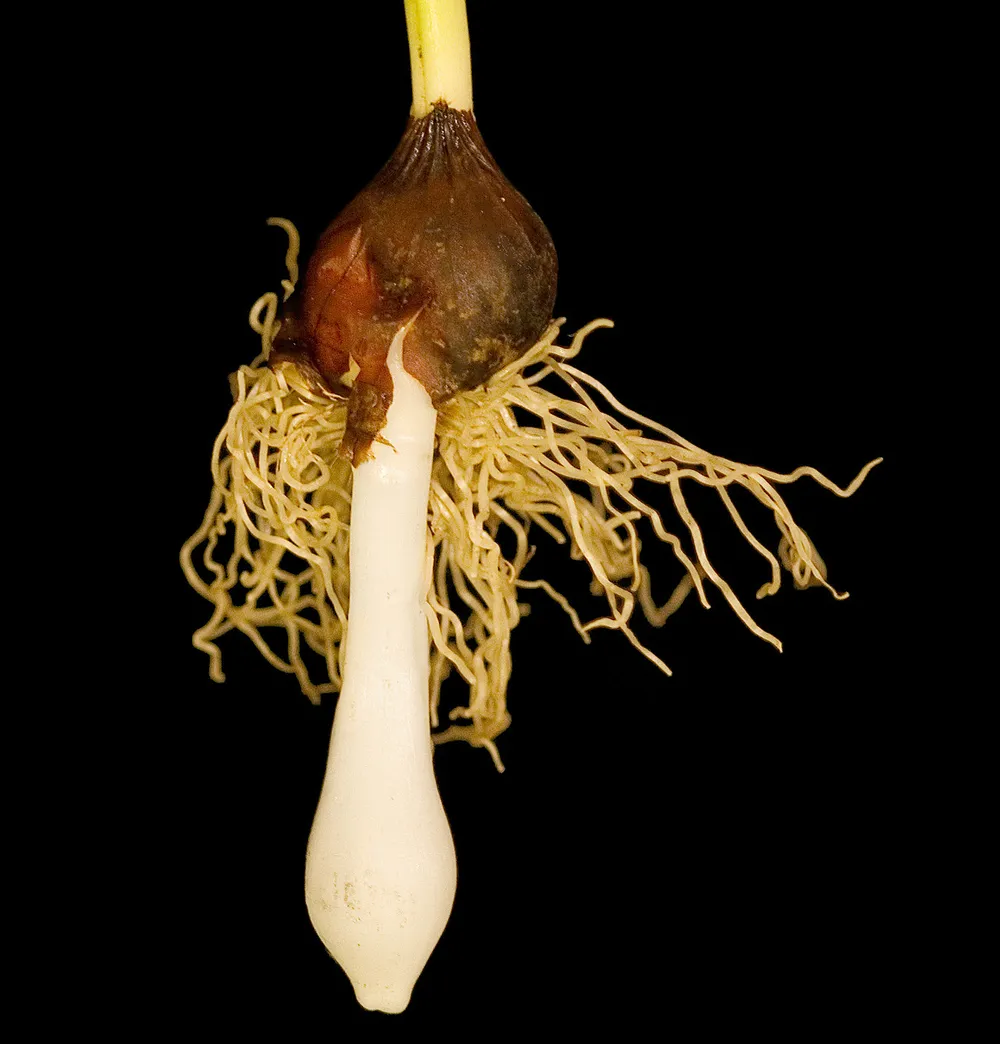
Tulip bulbs are planted in fall because they require winter cold (vernalization) to form a flower and because they grow roots before the ground freezes. Iowa State University Extension states that spring-flowering bulbs “are planted in fall so they have adequate time to develop good root systems before winter” and “must be exposed to cold temperatures in order to bloom.”
How Many Weeks of Cold Do Tulip Bulbs Need?
Tulip bulbs require 12–16 weeks of chilling to produce flowers, according to N.C. Cooperative Extension and Clemson Cooperative Extension. Iowa State University Extension gives the temperature: 40–45°F for 12–16 weeks. In Zones 3–8, winter supplies that cold in the ground; a Zone 7 city such as Nashville has 115 nights a year below 40°F. In Zones 9–10, the refrigerator supplies it.
What Soil Temperature Is Right for Planting Tulip Bulbs?
Plant tulip bulbs when the soil temperature at planting depth is below 60°F, according to Nebraska Extension, N.C. Cooperative Extension, and Clemson Cooperative Extension; University of Wisconsin–Madison Extension waits for 50–55°F. This page uses the first 32°F night as the marker for soil below 60°F, because soil at bulb depth cools 1–2 weeks behind the air. Iowa State University Extension warns that bulbs planted in September, before the soil cools, send up leaves in fall.
Can You Plant Tulip Bulbs in Spring or January?
Tulip bulbs can be planted in January as long as the soil is not frozen, but not in spring. Iowa State University Extension states that “waiting until spring to plant them is not an option”: unplanted bulbs dry up over winter, and bulbs planted in spring get neither roots nor the cold they require, so they rarely bloom. In Zones 9–10, January is inside the planting window (December 15 to January 15). In Zones 7–8, plant late bulbs at once and cover the bed with several inches of straw, pine needles, or leaves, which gives the bulbs more time to root before the ground freezes (Iowa State University Extension). Where the ground is already frozen, pot the bulbs, chill the pot at 40–45°F for 12–16 weeks, and force them into bloom indoors, or discard them (Iowa State University Extension).
How to Grow Tulips in Warm Climates (Zones 9–10)?
To grow tulips in Zones 9–10, and in the 1 in 4 Zone 8b ZIP codes along the Gulf Coast and in the Southeast, chill the bulbs in the refrigerator and plant them in late December or early January. Winters in Houston (42 nights a year below 40°F), Jacksonville (46), Phoenix (54), Tampa (18), and Miami (3) are too mild to chill tulip bulbs in the ground. Growing tulips here takes 4 steps:
- Buy bulbs in September, when they reach stores (Iowa State University Extension: on sale from late August), and refrigerate them from the time of purchase (Clemson Cooperative Extension).
- Keep the bulbs in the refrigerator (35–45°F) for 12–14 weeks, away from fruit: “fruit-produced ethylene gas can prevent blooming” (Clemson Cooperative Extension).
- Plant the bulbs from December 15 to January 15, once the soil has cooled; LSU AgCenter gets the best results from bulbs “planted into the garden in late December or early January,” because warm soil cancels the chilling.
- Treat the tulips as annuals and plant fresh bulbs each fall: Florida gardeners grow tulips “if they just think of them as annuals” (UF/IFAS Extension), and in South Carolina tulips give “a single season of color” (Clemson Cooperative Extension).
Cities on this route include San Antonio, Austin, Savannah, Houston, Sacramento, Fresno, San Jose, Jacksonville, Tampa, Orlando, Phoenix, Los Angeles, San Diego, San Francisco, and Miami. Dallas and Fort Worth keep the November 1 to December 15 window with 6–10 weeks of chilling first (Texas A&M AgriLife Extension: “six to 10 weeks of chilling before planting”).
When Do Tulips Bloom?
Tulips bloom in spring: in Iowa (Zone 5), from mid-April through May, according to Iowa State University Extension. Early types (Single Early, Double Early, Kaufmanniana, Fosteriana, and Greigii) open first; Triumph and Darwin Hybrid tulips bloom in mid-season; Single Late, Lily-flowering, Parrot, and Double Late tulips close the season. Mixing the 3 groups stretches one fall planting into 6 weeks of bloom, from early April to late May in Iowa (Iowa State University Extension). Across the country, spring bulbs flower from late winter to early summer, depending on the type (Clemson Cooperative Extension).
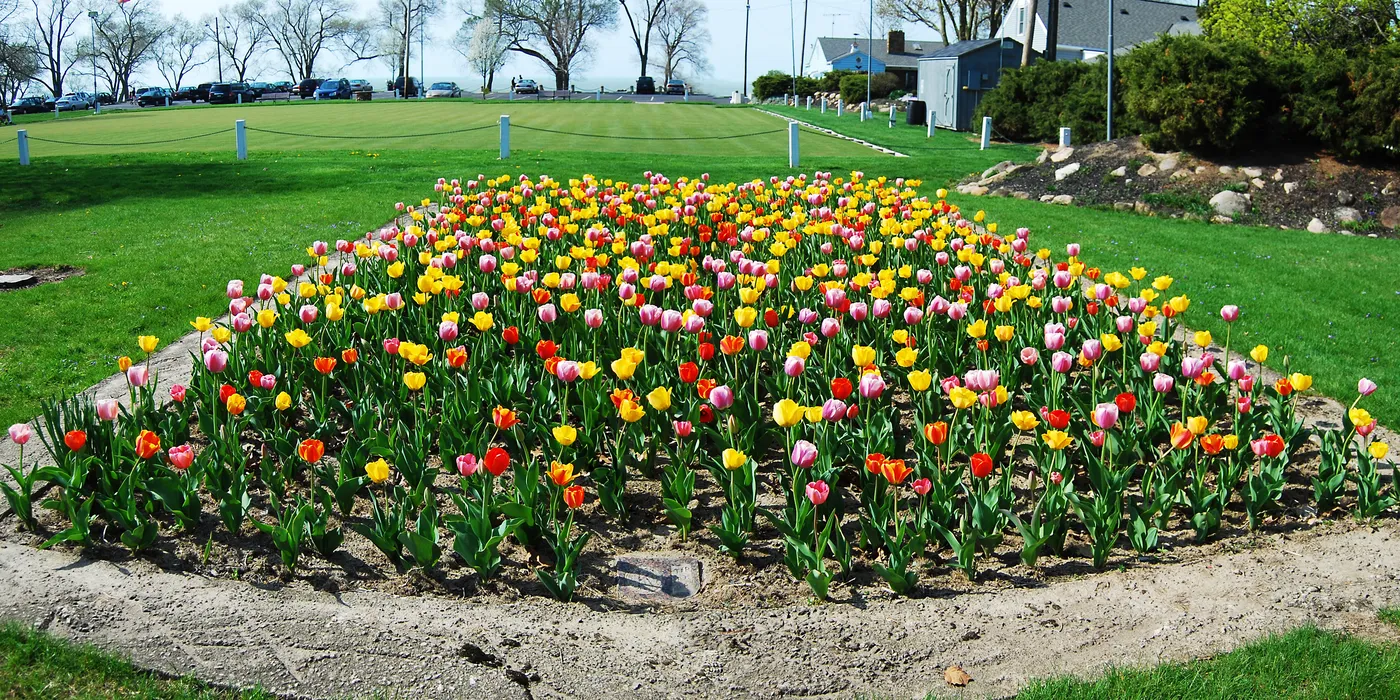
Most modern tulip cultivars bloom well for 3–4 years and are then replaced, according to Iowa State University Extension; small species tulips return more reliably each year (Oregon State University Extension). After bloom, let the leaves yellow and die back on their own to feed next year’s bulb.
To recap: when to plant tulip bulbs depends on the first frost date for your ZIP code and your USDA planting zone. Plant tulip bulbs from 1 week before to 5 weeks after the first fall frost in Zones 3–8, between mid-September and early December, and after 12–14 weeks in the refrigerator, from December 15 to January 15, in Zones 9–10. Garlic follows the same fall calendar: see When to Plant Garlic and the other crops on When to Plant.