

Plant cool-season grass seed (bluegrass, fescue, ryegrass) in late summer, 8 to 4 weeks before the first fall frost: mid-August to mid-September in Zones 3–5, early September to early October in Zones 7–8. Plant warm-season grass seed (bermuda, zoysia, centipede, bahia) from mid-April to July, once the soil holds 65°F.
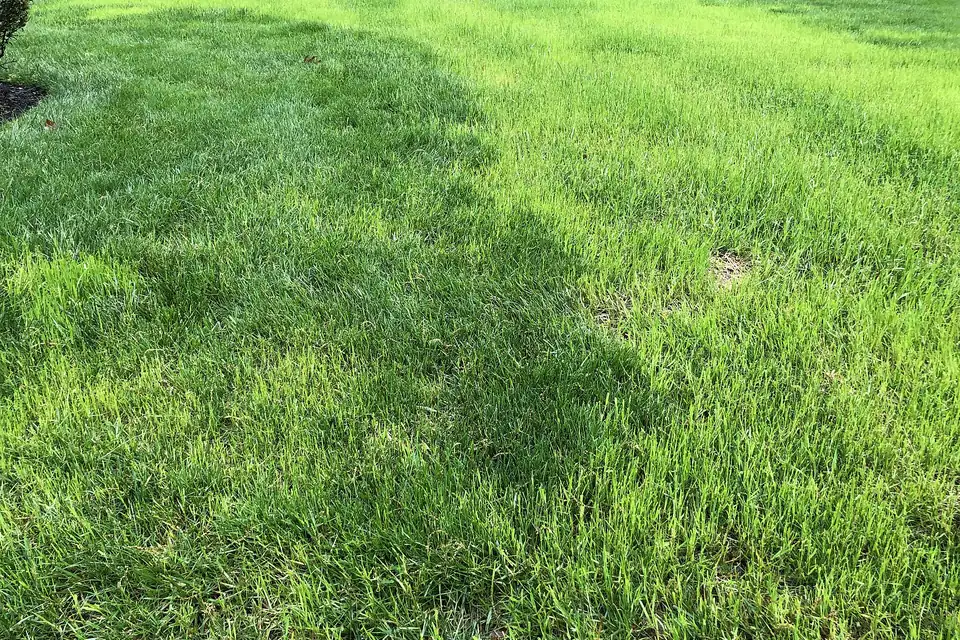
Seeding, sowing, or overseeding, the calendar is set by the grass: cool-season grasses such as Kentucky bluegrass, tall fescue, fine fescue, and perennial ryegrass are seeded in late summer; warm-season grasses such as bermuda, zoysia, centipede, bahia, and buffalograss in late spring; the transition zone between them grows both. The first fall frost date sets the cool-season window, and the USDA planting zone, also called a hardiness zone or growing zone, is a guide to the grass type. Enter a ZIP code below to see the grass seed planting dates for the nearest NOAA weather station.
When Is the Best Time to Plant Grass Seed?
The best time to plant cool-season grass seed is late summer, 8 to 4 weeks before the first fall frost; the best time to plant warm-season grass seed is late spring, once the soil is 65°F. In late summer “adequate soil moisture, warm soil, and limited weed pressure allow for excellent seedling growth” (Purdue University and University of Illinois Extension), and the grass gets “6 to 8 weeks of good growing weather after seeding” before winter (Oregon State University Extension); spring is the second choice. Warm-season grasses wait for 65°F soil at 4 inches (University of Georgia Extension). The table gives the main and second windows for the 6 grass regions the ZIP code tool uses.
| Grass region | Grass type | Main window | Second window | Example cities |
|---|---|---|---|---|
| Cool-season North, Northeast, Great Lakes, Plains, Mountain West (53% of ZIP codes) | Kentucky bluegrass, tall fescue, fine fescue, perennial ryegrass | Late summer: Aug 15–Sep 15 in Zones 3–5, up to Sep 1–Oct 15 where the first frost comes in November | Spring, 2 weeks before to 4 weeks after the last frost | Minneapolis Aug 15–Sep 15; Chicago Aug 31–Sep 30; New York Sep 1–Oct 15 |
| Transition zone: KY, TN, VA, NC, MD, DE, DC, MO, KS, OK, AR, and the north of SC, GA, AL, MS, TX (19%) | Tall fescue; bermuda or zoysia for a summer lawn | Tall fescue Sep 1–15 to Sep 25–Oct 15 | Bermuda or zoysia mid-May to Jun 30 | Louisville Sep 5–Oct 5; Raleigh Sep 5–Oct 1; Oklahoma City Sep 5–Oct 5 |
| Warm-season South: FL, LA, the Gulf, the south of GA, SC, AL, MS, TX; low-desert AZ, NM, CA, NV (19%) | Bermuda, zoysia, centipede, bahia (bermuda in the low desert); St. Augustine as sod or plugs | Mid-April to July: Birmingham May 10–Jul 10, Houston Apr 15–Jul 31 | Overseed with perennial ryegrass Oct 1–31 | Atlanta May 10–Jul 5; Dallas Apr 25–Jul 20; Miami Apr 15–Jul 31 |
| California and the warm Southwest: CA below 1,200 m, Las Vegas, St. George (6%) | Tall fescue or perennial ryegrass; bermuda or buffalograss | Sep 15–Oct 31 (Sep 1–Oct 31 where frost-free) | Bermuda Apr 15–May 15 | Sacramento Sep 15–Oct 31; Los Angeles Sep 1–Oct 31 |
| West of the Cascades, WA and OR (2%) | Perennial ryegrass, fine fescue, bentgrass | Aug 15–Sep 30 | Spring, second choice: May 1–Jun 15 | Seattle and Portland Aug 15–Sep 30 |
| Mountain stations with frost in every month (0.5%) | Bluegrass, fescue, ryegrass | Jun 15–Jul 31 | — | Dillon CO; Bend OR |

The regions follow state extension guidance rather than the USDA zone map, because lawn grass is chosen for summer heat as much as for winter cold. Both frost dates for a ZIP code are on the First and Last Frost Dates by ZipCode page.
Cool-Season or Warm-Season Grass: Which Grass Grows Where?
Cool-season grasses grow north of the transition zone, in the mountains, and west of the Cascades; warm-season grasses grow in the Deep South, the Gulf states, and the low deserts; the transition zone, California, and Las Vegas grow both. In Florida, “Bahiagrass and Bermudagrass are the best choices if you want to start a lawn from seed” (UF/IFAS Extension). Zoysia seed is scarce: “Only 2 cultivars of zoysiagrass are available as seed: Zenith and Compadre” (Clemson Cooperative Extension), so most zoysia lawns start as sod or plugs. St. Augustine is not a seed lawn: “Currently, seed is not available” (Texas A&M AgriLife Extension), so it is laid as sod or plugs in the bermuda window.
What Is the Transition Zone for Grass?
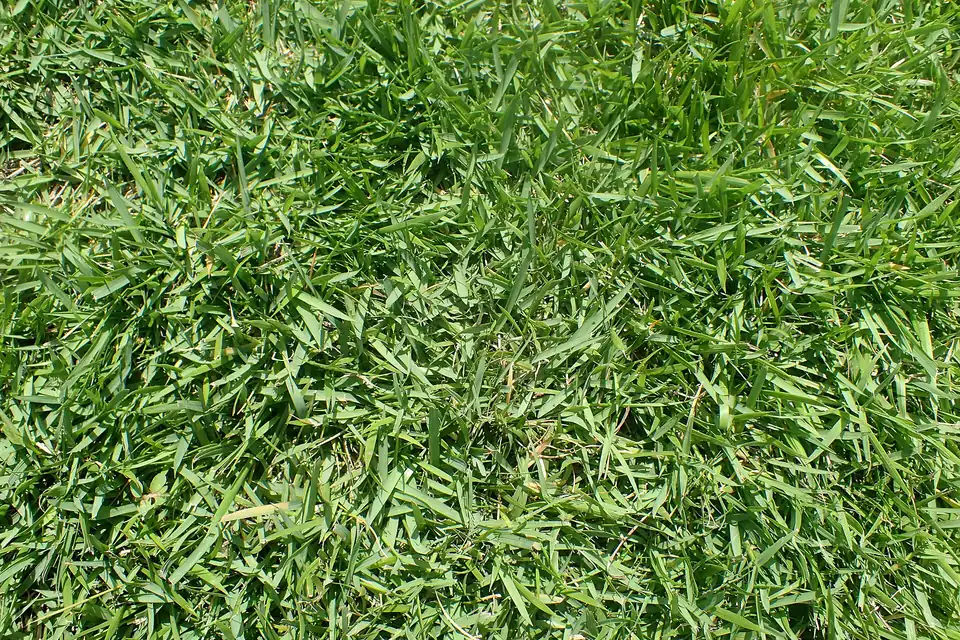
The transition zone is the band across the middle of the country, from Kansas, Oklahoma, and Arkansas through Missouri, Kentucky, and Tennessee to Virginia, the Carolinas, Maryland, and Delaware, where summers are too hot for northern grasses and winters too cold for southern ones. The north of South Carolina, Georgia, Alabama, Mississippi, and Texas, above about 34°N, belongs to it too; the edge is a band, not a line. The trade-off: tall fescue stays green all year, while bermuda and zoysia stand up to summer heat but “remain dormant (brown) for six to seven months every year” (University of Kentucky Cooperative Extension). The ZIP code tool gives both windows here.
When to Plant Grass Seed in Fall?
Plant cool-season grass seed in late summer and early fall, 8 to 4 weeks before the first fall frost: mid-August to mid-September where the first frost comes by mid-October (Minneapolis, Denver), late August to the end of September where it comes in late October (Chicago, Columbus, Philadelphia), and early September to mid-October where it comes in November (New York). The ZIP code card puts it this way: plant grass seed in late summer while the soil is still warm, so the new grass has 6 to 8 weeks of growing weather before winter. The extension calendars agree: “Between August 15 and September 15 is optimum seeding time in the northern half of Indiana and Illinois, and September 1 to September 30 is optimum in the southern half” (Purdue University and University of Illinois Extension). In the transition zone the summer heat sets the start: “Cool-season grasses are best established in mid-late September” (Clemson Cooperative Extension).
How Late Is Too Late to Plant Grass Seed in Fall?
October 15 is the latest date for cool-season grass seed anywhere; where the first frost comes earlier, the window closes 4 weeks before it, but never before September 15. In the far north the card ends on September 15 even where the first frost comes sooner (International Falls, Sep 6): seedlings stand a light frost, and what counts is 6 to 8 weeks of growth before the ground freezes. “October 15 is often suggested as the deadline for seeding in northeast Kansas” (Kansas State University); “After October 15, you are wasting your time” (Oregon State University Extension). After the window closes, wait for dormant seeding, below.
When to Plant Grass Seed in Spring?
Plant cool-season grass seed in spring from 2 weeks before to 4 weeks after the last spring frost, as the second choice after late summer; for warm-season grass seed, late spring is the main window: from mid-April in Florida, the Gulf states, and the low desert, from mid-May in Atlanta and the transition zone, running into June or July. Spring is second because “seeding in spring is difficult and often unsuccessful” (Purdue University and University of Illinois Extension): crabgrass and summer heat arrive before the grass has rooted. Skip crabgrass preventer on seeded ground: “avoid applying a preemergence herbicide in early spring because it may damage late-developing seedlings” (Purdue University and University of Illinois Extension). For bermuda, zoysia, centipede, and bahia, “a target date of May 1-14 is appropriate for all parts of the state” in South Carolina (Clemson Cooperative Extension); on the Plains, buffalograss is “usually seeded in May or June” (Colorado State University Extension). The last frost date for a ZIP code is on the First and Last Frost Dates by ZipCode page.
When to Plant Grass Seed by USDA Zone?
Cool-season grass seed windows run from August 15–September 15 in Zones 3–5 to September 5–October 5 in the Zone 8 transition zone; warm-season windows run from May 10–July 10 in Zone 8 to April 15–July 31 in Zones 9–11. The table lists the typical windows, first frost date, and grass type for USDA planting zones 3 to 10, from NOAA 1991–2020 weather-station data for every ZIP code in each zone.
| Planting zone | Plant cool-season seed (fall) | Spring or warm-season window | First frost date (typical) | Grass type |
|---|---|---|---|---|
| Zone 3 | Aug 15–Sep 15 | Spring, second choice: May 10–Jun 20 | Sep 20 (Sep 2–Sep 26) | Bluegrass, fescue, ryegrass; 3% of ZIP codes seed Jun 15–Jul 31 (frost in every month) |
| Zone 4 | Aug 15–Sep 15 | Spring, second choice: Apr 30–Jun 10 | Sep 26 (Sep 18–Oct 3) | Bluegrass, fescue, ryegrass |
| Zone 5 | Aug 15–Sep 15 | Spring, second choice: Apr 20–Jun 5 | Oct 5 (Sep 25–Oct 14) | Bluegrass, fescue, ryegrass |
| Zone 6 | Aug 20–Sep 15 | Spring, second choice: Apr 20–May 31 | Oct 15 (Oct 3–Oct 24) | Bluegrass, fescue, ryegrass in 90% of ZIP codes; tall fescue, bermuda or zoysia in 9% (transition zone) |
| Zone 7 | Sep 1–Sep 25 | Spring, second choice: Apr 15–May 31; bermuda or zoysia May 15–Jun 30 in the transition zone | Oct 25 (Oct 14–Nov 11) | Bluegrass, fescue, ryegrass in 50% of ZIP codes; tall fescue, bermuda or zoysia in 49% (transition zone) |
| Zone 8 | Sep 5–Oct 5 | Bermuda, zoysia, centipede, bahia: May 10–Jul 10; bermuda or zoysia May 15–Jun 30 in the transition zone | Nov 4 (Oct 26–Nov 14) | Bermuda, zoysia, centipede, bahia in 52% of ZIP codes; tall fescue, bermuda or zoysia in 37% (transition zone); perennial ryegrass, fine fescue in 7% (west of the Cascades) |
| Zone 9 | Sep 15–Oct 31 (California); Aug 15–Sep 30 (west of the Cascades) | Bermuda, zoysia, centipede, bahia: Apr 15–Jul 31; bermuda Apr 15–May 15 in California | Nov 30 (Nov 13–Dec 17) | Bermuda, zoysia, centipede, bahia in 65% of ZIP codes; tall fescue, ryegrass in 28% (California, Las Vegas); perennial ryegrass, fine fescue in 6% (west of the Cascades) |
| Zone 10 | Sep 15–Oct 31 (Sep 1–Oct 31 where frost-free) | Bermuda, zoysia, centipede, bahia: Apr 15–Jul 31; bermuda Apr 15–May 15 in California | Dec 25 (Dec 10–Jan 6); none in frost-free ZIP codes | Tall fescue, ryegrass in 55% of ZIP codes (California); bermuda, zoysia, centipede, bahia in 44% |
Dates in the same zone differ because USDA zones measure winter lows, not summer heat or frost timing. The ZIP code tool above gives the exact windows for one lawn.

When to Plant Grass Seed in Zone 3?
In Zone 3, plant grass seed from August 15 to September 15, or from May 10 to June 20 as the second choice. International Falls and Bemidji seed from August 15 to September 15, University of Minnesota Extension’s window for the whole state. More on the zone: USDA Planting Zone 3 with Map.
When to Plant Grass Seed in Zone 4?
In Zone 4, plant grass seed from August 15 to September 15, or from April 30 to June 10 as the second choice; Fargo and Duluth seed from August 15 to September 15. More on the zone: USDA Planting Zone 4 with Map.
When to Plant Grass Seed in Zone 5?
In Zone 5, plant grass seed from August 15 to September 15, or from April 20 to June 5 as the second choice. Des Moines seeds from August 20 to September 15, inside Iowa State University Extension’s “mid-August to mid-September”. More on the zone: USDA Planting Zone 5 with Map.
When to Plant Grass Seed in Zone 6?
In Zone 6, plant grass seed from August 20 to September 15, or from April 20 to May 31 as the second choice. Columbus seeds from August 25 to September 20, Detroit from August 25 to September 20, and Cleveland from September 1 to October 1. More on the zone and its states: USDA Zone 6: Planting & Hardiness Map, Ohio Planting & Growing Zones Map, 6 Planting Zones in Michigan with Map.
When to Plant Grass Seed in Zone 7?
In Zone 7, plant grass seed from September 1 to September 25, or from April 15 to May 31 as the second choice; the transition zone, 49% of Zone 7 ZIP codes, grows both grass types. New York seeds from September 1 to October 15, Louisville tall fescue from September 5 to October 5 and bermuda or zoysia from May 15 to June 30. More on the zone: USDA Zone 7: Planting & Hardiness Map and Kentucky Planting & Growing Zones Map.
When to Plant Grass Seed in Zone 8?
In Zone 8, plant bermuda, zoysia, centipede, or bahia seed from May 10 to July 10 in 52% of ZIP codes; in the transition zone (37%), tall fescue from September 5 to October 5 or bermuda and zoysia from mid-May to June 30; west of the Cascades (7%), ryegrass or fine fescue from August 15 to September 30. Atlanta seeds bermuda from May 10 to July 5, Dallas from April 25 to July 20, and Raleigh seeds tall fescue from September 5 to October 1 or bermuda from May 25 to June 30. More on the zone: USDA zone 8 Map with its 25 states and 7 Planting Zones in North Carolina with Map.
When to Plant Grass Seed in Zone 9?
In Zone 9, plant bermuda, zoysia, centipede, or bahia seed from April 15 to July 31 in 65% of ZIP codes; in California and Las Vegas (28%), seed tall fescue or ryegrass from September 15 to October 31 and bermuda from April 15 to May 15; west of the Cascades (Seattle, Portland; 6%), seed from August 15 to September 30. Houston seeds bermuda from April 15 to July 31 and Sacramento seeds tall fescue from September 15 to October 31. More on the zone: USDA Planting Zone 9 with Map and Texas (TX) Planting Zones by Zip Code.
When to Plant Grass Seed in Zone 10?
In Zone 10, seed tall fescue or ryegrass from September 15 to October 31 in California (55% of ZIP codes; Los Angeles from September 1), and bermuda, zoysia, centipede, or bahia from April 15 to July 31 in Florida, Phoenix, and the low desert (44%). Los Angeles and Miami are frost-free; San Diego seeds from September 15 to October 31, Miami and Phoenix seed bermuda from April 15 to July 31, and Zone 11 follows Zone 10. More on the zones: USDA Zone 10 with Map, USDA Planting Zone 11 with Map, and 13 Planting Zones in California with Map.
Grass Seed Planting Dates for 44 Cities
The table gives the grass seed planting window and the card’s second window for 44 cities, from the nearest NOAA weather station to one ZIP code in each city (the station is named under the city). In 7 of 10 years the first frost comes after the date shown.
| City | Planting zone | First frost date (32°F) | Plant grass seed | Second window |
|---|---|---|---|---|
| Bemidji, MN (Cass Lake, MN) | Zone 3b | Sep 20 | Aug 15–Sep 15 | Spring, second choice: May 10–Jun 20 |
| International Falls, MN (International Falls International Airport, MN) | Zone 3b | Sep 6 | Aug 15–Sep 15 | Spring, second choice: May 20–Jul 1 |
| Fargo, ND (Fargo 3S, ND) | Zone 4a | Sep 28 | Aug 15–Sep 15 | Spring, second choice: Apr 25–Jun 5 |
| Duluth, MN (Duluth, MN) | Zone 4b | Sep 26 | Aug 15–Sep 15 | Spring, second choice: May 5–Jun 15 |
| Minneapolis, MN (Lower St Anthony Falls, MN) | Zone 5a | Oct 10 | Aug 15–Sep 15 | Spring, second choice: Apr 15–May 31 |
| Madison, WI (UW Arboretum – Madison, WI) | Zone 5b | Oct 3 | Aug 15–Sep 15 | Spring, second choice: Apr 25–Jun 5 |
| Des Moines, IA (Des Moines International Airport, IA) | Zone 5b | Oct 14 | Aug 20–Sep 15 | Spring, second choice: Apr 10–May 20 |
| Chicago, IL (Chicago Midway Airport, IL) | Zone 6a | Oct 26 | Aug 31–Sep 30 | Spring, second choice: Apr 5–May 15 |
| Denver, CO (Denver Water Dept, CO) | Zone 6a | Oct 6 | Aug 15–Sep 15 | Spring, second choice: Apr 20–Jun 1 |
| Grand Rapids, MI (Weather Service Office Grand Rapids, MI) | Zone 6a | Oct 8 | Aug 15–Sep 15 | Spring, second choice: Apr 25–Jun 5 |
| Columbus, OH (Columbus WCMH, OH) | Zone 6b | Oct 20 | Aug 25–Sep 20 | Spring, second choice: Apr 15–May 25 |
| Cleveland, OH (Cleveland, OH) | Zone 6b | Oct 30 | Sep 1–Oct 1 | Spring, second choice: Apr 15–May 25 |
| Detroit, MI (Dearborn #2, MI) | Zone 6b | Oct 20 | Aug 25–Sep 20 | Spring, second choice: Apr 20–May 31 |
| Boston, MA (Jamaica Plain, MA) | Zone 6b | Oct 16 | Aug 20–Sep 20 | Spring, second choice: Apr 10–May 20 |
| Louisville, KY (Louisville International Airport, KY) | Zone 7a | Nov 2 | Sep 5–Oct 5 | Bermuda or zoysia: May 15–Jun 30 |
| St. Louis, MO (Cahokia, IL) | Zone 7a | Oct 22 | Sep 1–Sep 25 | Bermuda or zoysia: May 25–Jun 30 |
| Philadelphia, PA (Pennsauken 1N, NJ) | Zone 7b | Oct 25 | Aug 31–Sep 25 | Spring, second choice: Apr 5–May 20 |
| New York City, NY (New York Central Park Tower, NY) | Zone 7b | Nov 14 | Sep 1–Oct 15 | Spring, second choice: Mar 20–May 1 |
| Nashville, TN (Nashville International Airport, TN) | Zone 7b | Oct 30 | Sep 5–Oct 1 | Bermuda or zoysia: May 20–Jun 30 |
| Oklahoma City, OK (Norman 2NW Mesonet, OK) | Zone 7b | Oct 31 | Sep 5–Oct 5 | Bermuda or zoysia: May 20–Jun 30 |
| Asheville, NC (Enka, NC) | Zone 7b | Oct 19 | Aug 25–Sep 20 | Spring, second choice: Apr 5–May 15 |
| Atlanta, GA (Atlanta Fulton County Airport, GA) | Zone 8a | Nov 1 | May 10–Jul 5 | Overseed ryegrass: Oct 1–Oct 31 |
| Charlotte, NC (Charlotte Douglas Airport, NC) | Zone 8a | Oct 30 | Sep 5–Oct 1 | Bermuda or zoysia: May 15–Jun 30 |
| Raleigh, NC (Clayton Water Plant, NC) | Zone 8a | Oct 30 | Sep 5–Oct 1 | Bermuda or zoysia: May 25–Jun 30 |
| Dallas, TX (Dallas Redbird Airport, TX) | Zone 8b | Nov 16 | Apr 25–Jul 20 | Overseed ryegrass: Oct 1–Oct 31 |
| El Paso, TX (El Paso International Airport, TX) | Zone 8b | Nov 14 | Apr 20–Jul 15 | Overseed ryegrass: Oct 1–Oct 31 |
| Birmingham, AL (Birmingham Airport, AL) | Zone 8b | Nov 6 | May 10–Jul 10 | Overseed ryegrass: Oct 1–Oct 31 |
| Portland, OR (Portland KGW-TV, OR) | Zone 9a | Nov 22 | Aug 15–Sep 30 | Spring, second choice: May 1–Jun 15 |
| Seattle, WA (Seattle Sand Point Weather Service Office, WA) | Zone 9a | Nov 15 | Aug 15–Sep 30 | Spring, second choice: May 1–Jun 15 |
| San Antonio, TX (San Antonio/Seaworld, TX) | Zone 9a | Nov 29 | Apr 15–Jul 31 | Overseed ryegrass: Oct 1–Oct 31 |
| Austin, TX (Austin 6S, TX) | Zone 9a | Nov 10 | Apr 30–Jul 15 | Overseed ryegrass: Oct 1–Oct 31 |
| Savannah, GA (Savannah International Airport, GA) | Zone 9a | Nov 21 | Apr 25–Jul 25 | Overseed ryegrass: Oct 1–Oct 31 |
| Houston, TX (Houston Sugarland Memorial, TX) | Zone 9b | Dec 3 | Apr 15–Jul 31 | Overseed ryegrass: Oct 1–Oct 31 |
| Jacksonville, FL (Jacksonville, FL) | Zone 9b | Nov 29 | Apr 20–Jul 31 | Overseed ryegrass: Oct 1–Oct 31 |
| Tampa, FL (Plant City, FL) | Zone 9b | Dec 28 | Apr 15–Jul 31 | Overseed ryegrass: Oct 1–Oct 31 |
| San Jose, CA (Los Gatos, CA) | Zone 9b | Nov 28 | Sep 15–Oct 31 | Bermuda: Apr 15–May 15 |
| Sacramento, CA (Sacramento Executive Airport, CA) | Zone 9b | Nov 26 | Sep 15–Oct 31 | Bermuda: Apr 15–May 15 |
| Fresno, CA (Fresno Yosemite International Airport, CA) | Zone 9b | Dec 6 | Sep 15–Oct 31 | Bermuda: Apr 15–May 15 |
| Phoenix, AZ (South Phoenix, AZ) | Zone 10a | Dec 8 | Apr 15–Jul 31 | Overseed ryegrass: Oct 1–Oct 31 |
| Orlando, FL (Orlando Executive Airport, FL) | Zone 10a | Jan 3 | Apr 15–Jul 31 | Overseed ryegrass: Oct 1–Oct 31 |
| Los Angeles, CA (Los Angeles Downtown USC Campus, CA) | Zone 10b | None (frost-free) | Sep 1–Oct 31 | Bermuda: Apr 15–May 15 |
| San Diego, CA (San Diego Brown Field, CA) | Zone 10b | Dec 22 | Sep 15–Oct 31 | Bermuda: Apr 15–May 15 |
| San Francisco, CA (San Francisco Oceanside, CA) | Zone 10b | Dec 12 | Sep 15–Oct 31 | Bermuda: Apr 15–May 15 |
| Miami, FL (Miami Kendall Tamiami Executive Airport, FL) | Zone 10b | None (frost-free) | Apr 15–Jul 31 | Overseed ryegrass: Oct 1–Oct 31 |
A city is an area, and a ZIP code at its edge can fall in a different zone or region from the one listed; the ZIP code tool gives the dates for any address.
When to Overseed a Lawn?
Overseed a thin lawn in the same window as a new lawn of the same grass: cool-season lawns in late summer, mid-August to mid-September in the North and September to mid-October in the transition zone; bermuda, zoysia, and other warm-season lawns in late spring. “Mid-August through mid-September is the best time to renovate a thin lawn” because “cool-season grass seeds germinate quickly in the warm soils of late summer” (Iowa State University Extension). The main window on the ZIP code card is the overseeding window too.
When to Overseed Bermuda with Ryegrass for a Green Winter Lawn?
Overseed a bermuda lawn with perennial ryegrass in October, when days cool to the low 80s and nights to the mid-50s. “October is ideal for overseeding when daytime air temperatures are 80-85°F and nighttimes are about 55°F” (University of Arizona Cooperative Extension). Oklahoma State University Extension seeds “10-12 pounds PLS for winter overseeding of bermudagrass” per 1,000 square feet (PLS, pure live seed, is the label’s purity times its germination rate). Keep it to bermuda: annual ryegrass “is never recommended for overseeding other warm-season grasses” such as centipede, zoysia, or St. Augustine (N.C. Cooperative Extension). The warm-season card shows this as its second band, “Overseed ryegrass: Oct 1 – Oct 31”.
What Is Dormant Seeding and When Is It Done?
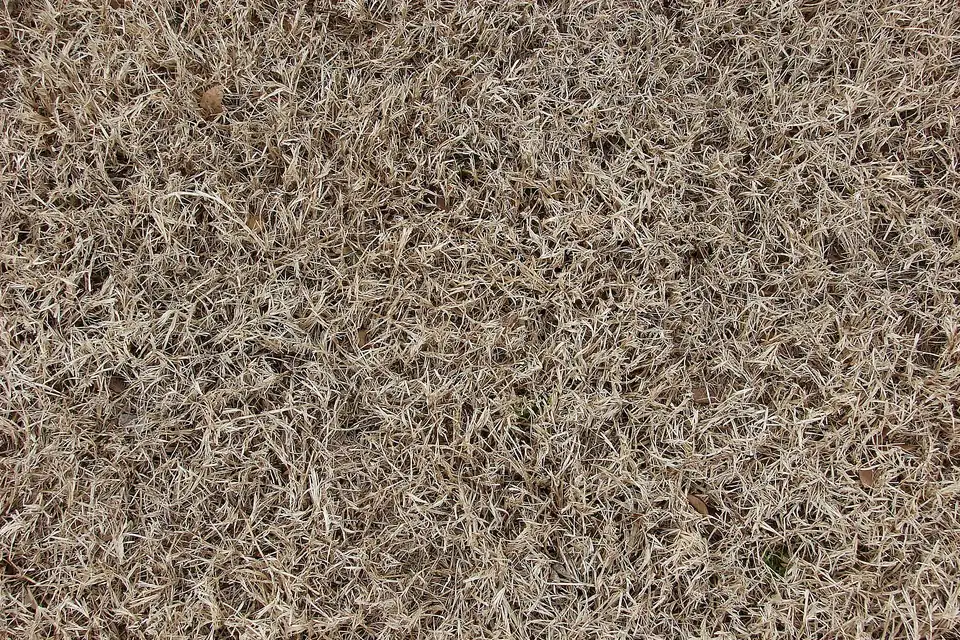
Dormant seeding is sowing cool-season grass seed on cold soil, from Thanksgiving to March, so that it lies through winter and sprouts in spring. “Dormant seeding can be done as early as Thanksgiving and as late as March” (Purdue University and University of Illinois Extension). “Soil temperatures should be 40°F or lower to prevent germination before winter” (Iowa State University Extension). It works best in the North, “because weather remains cold enough to delay germination until spring,” while warm spells farther south can “allow for germination and seedling death” (Purdue University and University of Illinois Extension). The rest of the late-fall garden is on What to Plant in November.
Is It Too Late to Plant Grass Seed?
After the card’s end date it is too late: mid-September in Zones 3–5, October 15 at the latest for cool-season grass seed anywhere, June 30 for bermuda and zoysia in the transition zone, and July for warm-season seed in the South; the next windows are dormant seeding from Thanksgiving and spring. The ZIP code card gives the exact end date for one lawn.
Can You Plant Grass Seed in Winter?
Only as dormant seeding, on soil at 40°F or colder, so the seed waits for spring. “Temperatures become too cold in November and December for optimal germination and establishment” (Oklahoma State University Extension), and seed that sprouts late dies over winter (University of Maryland Extension).
Can You Plant Grass Seed in Summer?
Cool-season grass seed, no, except at mountain stations with frost in every month; warm-season grass seed, yes, through July. Seeding bluegrass or fescue from late May to mid-August is “extremely difficult and usually unsuccessful” (Iowa State University Extension). Bermuda, zoysia, centipede, and bahia are summer grasses: in Florida the seeding window runs “between April and July” (UF/IFAS Extension). At mountain stations with frost in every month, cool-season seed goes in from June 15 to July 31, the card’s window for “late June or early July, just before the monsoonal moisture flow” (Colorado State University Extension, Gilpin County).
At What Soil Temperature Does Grass Seed Germinate?
Cool-season grass seed germinates at soil temperatures of 50–70°F, measured 1 inch down; warm-season grass seed at 65°F and rising, measured 4 inches down. “The optimum soil temperatures for grass seed germination are 50 to 70°F, measured around a 1-inch depth” (University of Maryland Extension); warm-season grasses are seeded at soil-surface means “from 68° to 95° F” (Oklahoma State University Extension).
| Grass | Soil temperature for seeding | Days to germinate | Source |
|---|---|---|---|
| Kentucky bluegrass | 50–70°F at 1 in; 68–86°F surface mean (all cool-season grasses) | About 2 weeks, “up to two weeks” (grass seed in general) | University of Maryland Extension; Oklahoma State University Extension; Colorado State University Extension |
| Tall fescue | 59–72°F; soil above 60°F for fall seeding | 10–21 days | Kansas State University; N.C. Cooperative Extension |
| Perennial ryegrass | 50–70°F at 1 in; air 60–85°F | 5–10 days at optimal temperatures (“most grasses”) | University of Maryland Extension; Oregon State University Extension |
| Fine fescue | 50–70°F at 1 in; air 59–82°F | 7–10 days (lawn seed west of the Cascades) | University of Maryland Extension; University of Tennessee Extension; Washington State University Extension |
| Bermuda (seeded) | 65°F at 4 in and rising; 68°F; 70–95°F | Not given by the extension sources read | University of Georgia Extension; University of Arkansas Division of Agriculture; Texas A&M AgriLife Extension |
| Zoysia (seeded), centipede, bahia | 65°F at 4 in and rising; 68–95°F surface mean | Not given by the extension sources read | University of Georgia Extension; Oklahoma State University Extension |
| Buffalograss | Seeded in May or June | Not given by the extension sources read | Colorado State University Extension |

How to Plant Grass Seed?
To plant grass seed, prepare the soil, spread the right amount of seed in two directions, cover it lightly, and keep the surface moist for 2 weeks.
- Test the soil 2 months ahead. Take 10–15 cores 3–4 inches deep across the lawn (Oklahoma State University Extension). A pH of 6.0–6.8 is “optimum for turf growth”; lime below 5.5, sulfur above 7.0 (University of Maryland Extension).
- Prepare the seedbed. Till the top 4–6 inches with the lime and starter fertilizer the soil test calls for, rake smooth, and firm it: footprints deeper than ½ inch mean the bed is too loose (Oklahoma State University Extension).
- Spread the seed at the right rate per 1,000 square feet. Kentucky bluegrass 2–3 pounds, tall fescue 6–8 pounds, fine fescue 4–6 pounds, bermuda and zoysia 1 pound (University of Maryland Extension); perennial ryegrass 6–9 pounds, buffalograss 1.5–2 pounds (UC Statewide IPM Program). Spread half in each of two directions (University of Maryland Extension).
- Rake and roll. Cover the seed “to a depth of approximately 1/8 inch by lightly hand raking” (Oklahoma State University Extension), never with more than ½ inch of soil (University of Maryland Extension), then roll for seed-to-soil contact.
- Water lightly and often. Water “two to four times daily depending on the weather” to “keep the top 0.5 to 1.0 inch moist” (Purdue University and University of Illinois Extension), daily “for at least 10 to 14 days” (Oklahoma State University Extension).
- Mow early. Mow tall fescue at 3 inches when it reaches 4 inches, 4–6 weeks after seeding (University of Maryland Extension), and never remove more than one-third of the blade (Purdue University and University of Illinois Extension).
How Are Grass Seed Planting Dates Calculated?
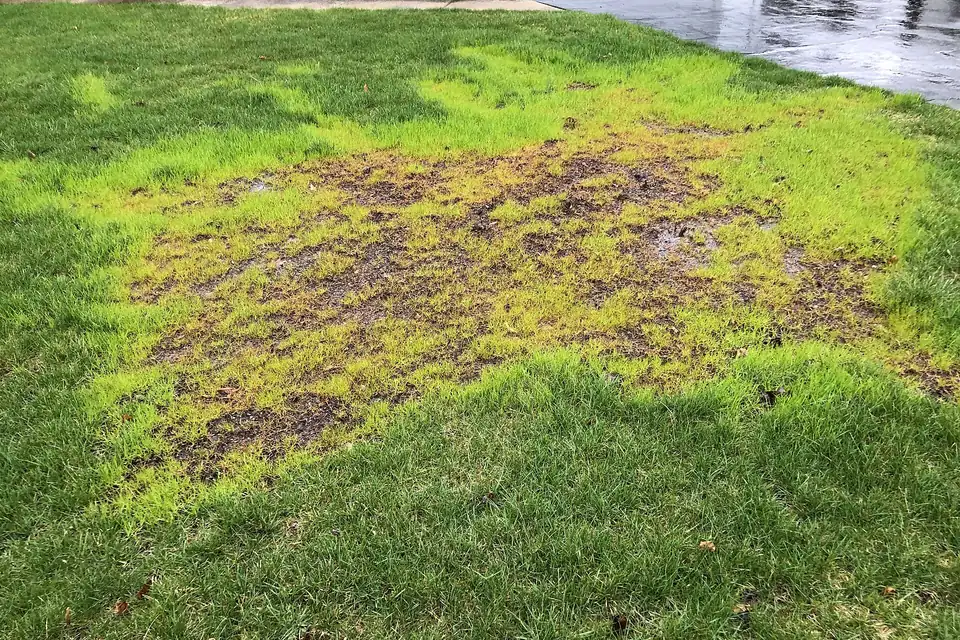
Grass seed planting dates on this page come from NOAA 1991–2020 weather-station records. For each ZIP code, the tool picks the grass region from the nearest station’s state, latitude, longitude, and elevation, then applies that region’s rule to the station’s first fall frost date (32°F; in 7 of 10 years the first frost comes later): cool-season seed 8 to 4 weeks before the frost, starting between August 15 and September 1 and ending between September 15 and October 15. Warm-season dates count forward from the last spring frost. The full method is on How We Calculate Frost and Planting Dates.
| Where you plant | Grass seed planting rule | Source |
|---|---|---|
| Cool-season North, Northeast, Great Lakes, Plains, Mountain West | Plant grass seed 8 to 4 weeks before the first fall frost, starting between August 15 and September 1 and ending between September 15 and October 15; spring, 2 weeks before to 4 weeks after the last frost, is the second choice. | Purdue University and University of Illinois Extension, Iowa State University Extension, University of Minnesota Extension, University of Wisconsin–Madison Extension, Penn State Extension, University of Maryland Extension, Utah State University Extension, Colorado State University |
| Transition zone (KY, TN, VA, NC, MD, DE, DC, MO, KS, OK, AR; SC, GA, AL, MS, TX north of 34.3°N; first frost after October 15) | Plant tall fescue 8 to 4 weeks before the first fall frost, starting between September 1 and 15 and ending by October 15; seed bermuda or zoysia from 6 weeks after the last spring frost (mid-May) to June 30. | University of Kentucky Cooperative Extension, University of Tennessee Extension, University of Missouri IPM, Kansas State University, Virginia Cooperative Extension, N.C. Cooperative Extension, University of Maryland Extension, Oklahoma State University Extension, University of Arkansas, Clemson Cooperative Extension, University of Georgia Extension |
| California below 1,200 m, southern Nevada and Utah | Plant tall fescue, ryegrass, or bluegrass from September 1–15 to October 31 (4 weeks before the first frost where that is earlier, but not before October 15); bermuda and buffalograss from April 15 to May 15. | UC Statewide IPM Program |
| West of the Cascades (WA, OR below 600 m) | Plant perennial ryegrass or fine fescue from August 15 to September 30; May 1 to June 15 is the second choice. | Oregon State University Extension, Washington State University Extension |
| Warm-season South (FL, LA, MS, AL, GA, SC, TX south of 34.3°N; low-desert AZ, NM, CA, NV) | Plant bermuda, zoysia, centipede, or bahia (bermuda in the low desert) from 6 weeks after the last spring frost (April 15 at the earliest) to 120 days before the first fall frost (July 31 at the latest); overseed with perennial ryegrass in October. | University of Georgia Extension, Clemson Cooperative Extension, UF/IFAS Extension, Texas A&M AgriLife Extension, Oklahoma State University Extension, University of Arkansas, University of Arizona Cooperative Extension, New Mexico State University Extension |
| Mountain stations with frost in every month | Plant cool-season grass seed from June 15 to July 31, once the ground has thawed and dried. | Colorado State University Extension (Gilpin County) |
To recap: when to plant grass seed depends on the grass type for your region, the first frost date for your ZIP code, and your USDA zone. Plant bluegrass, fescue, and ryegrass 8 to 4 weeks before the first fall frost, from mid-August in Zones 3–5 to September in Zones 7–8; plant bermuda, zoysia, centipede, and bahia from mid-April to July once the soil holds 65°F. Frost dates for any ZIP code are on First and Last Frost Dates by ZipCode; every crop is on When to Plant.